Different crashes, different questions: vehicles and road users
What changes in the information needed when a crash involves a truck, rideshare trip, passenger, pedestrian, or suspected vehicle problem.
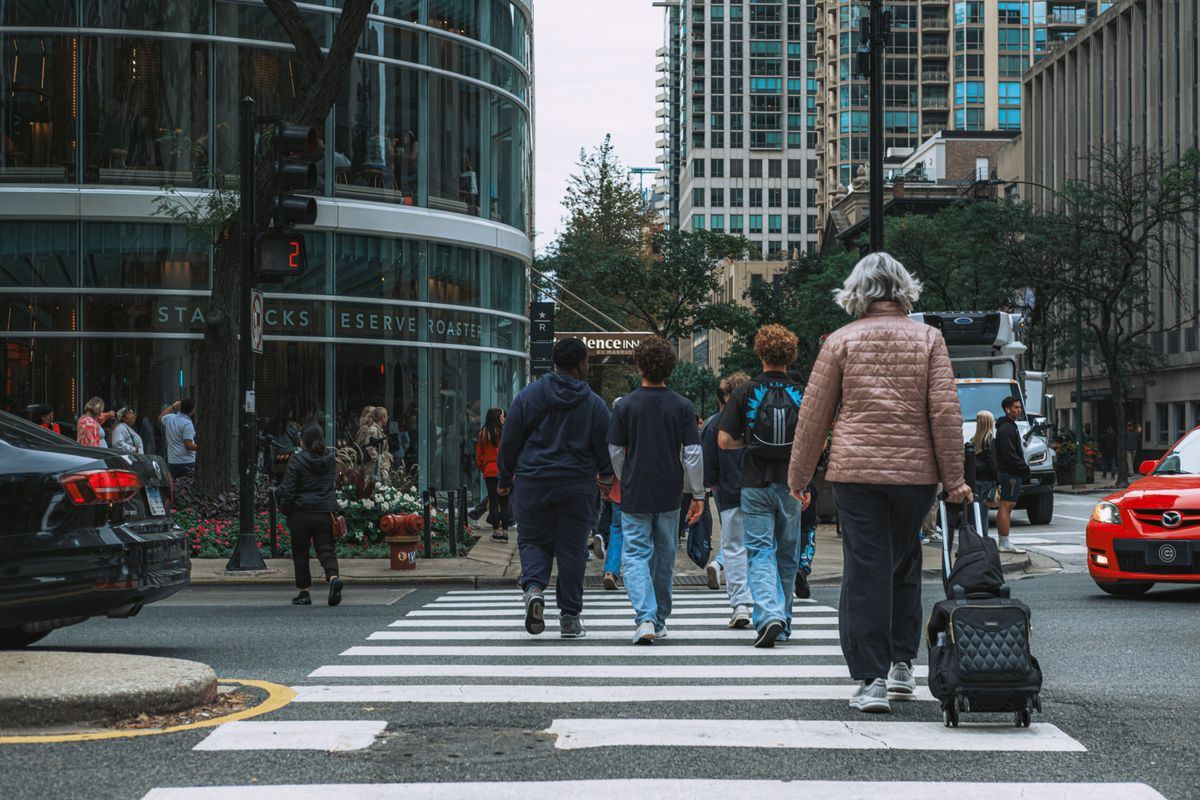
A search for a truck accident lawyer or pedestrian accident attorney usually begins with the part of the crash that feels different. That difference may matter to the information a reviewer needs. It does not, by itself, establish fault, insurance coverage, or a right to compensation. A useful intake account describes the people, vehicles, trip, and event before trying to label the legal issue.
Trucks and company vehicles
For a commercial vehicle, the driver's name and a company name may identify different people or organizations. A vehicle's markings, a report, or existing photographs may help clarify what was involved. It is useful to distinguish a company name you saw from a conclusion about who employed the driver or owned the vehicle.
FMCSA maintains company safety information for regulated motor carriers. Such records can provide background about an identified carrier. They do not decide what happened in an individual collision. A delivery van, a work pickup, and an interstate tractor-trailer should not be assumed to share the same operation, insurance arrangement, or legal questions.
Rideshare, rental, and borrowed vehicles
The relationship between a driver, a car, and a trip can be part of the account. A rideshare receipt, the approximate trip time, or a rental agreement may clarify that relationship. Whether a driver was transporting a passenger, waiting for a trip, or using a car for another purpose is information to identify rather than guess.
This guide cannot determine which policy applies to an Uber, Lyft, taxi, rental-car, or borrowed-car accident. It also cannot decide whether a company has responsibility merely because its name appears on a receipt. Those are questions for the actual documents, facts, and applicable law.
Passengers, pedestrians, cyclists, and motorcyclists
Your role helps explain what you could see and what information you may have. A passenger may not have spoken to an insurer at the scene. A pedestrian may not know either driver's policy details. A cyclist may have equipment damage as well as an injury. Those gaps do not need to be replaced with assumptions before you can describe the event.
The same principle applies when a child was injured or a family is asking about a fatal crash. The relationship to the injured person and the known circumstances are starting points. Eligibility to act for someone else, possible claims, and legal deadlines require individual analysis; this page does not resolve them.
Road conditions and possible vehicle problems
Weather, a construction area, a road defect, or concern about an airbag can explain why someone is looking beyond the immediate collision. NHTSA provides a vehicle and equipment recall lookup. A recall result is safety information, not proof that a defect caused your crash or that a legal claim exists.
Whatever the crash type, a clear review request can separate observations, documents, and unanswered questions. Accident LLC's intake is focused on car and road accident inquiries. No listing here promises that a specialist is available for every vehicle type, that a particular firm will accept a matter, or that one party will pay.
Sources and further reading
Official resources supporting this guide. The linked agencies publish their own current instructions.
Accident LLC is not a law firm. No settlement or representation is guaranteed. Submitting information does not create an attorney-client relationship.
More questions, explained.

Car accident resources in New York: reports, insurance, and your review
Read the guide ↗
What to have ready for your accident review
Read the guide ↗
What affects the value of an accident claim?
Read the guide ↗